

If you are searching for the best yoga classes for beginners in Mobile, Alabama, the hardest part is usually not the yoga itself. It is knowing where to begin, which class to choose, what to wear, and whether you will feel comfortable walking into a yoga studio for the first time.
This guide is written for complete beginners who want a clear, local answer. We will focus on beginner-friendly yoga classes at Above & Beyond Yoga & Salt Therapy in West Mobile, located at 878 Hillcrest Road, Suite C, near Airport Boulevard. You will learn which classes to try first, what poses you will practice, how often to attend, and how to use the 30-day trial to find the right fit.
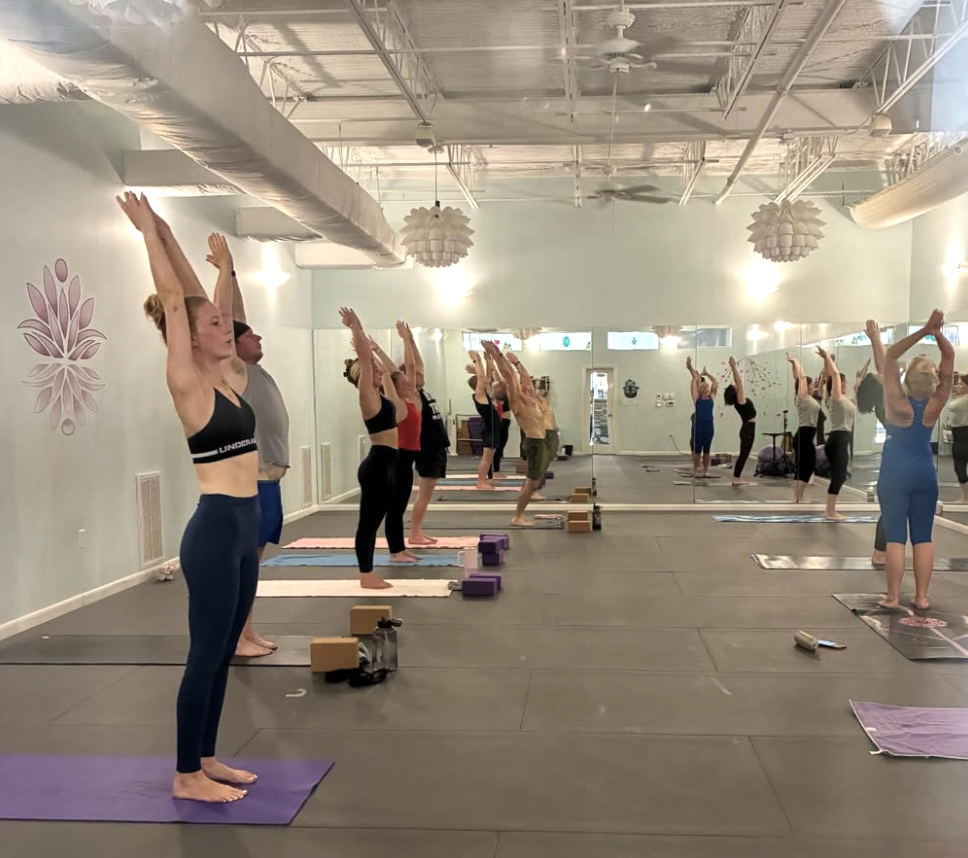
Welcome Beginners: How to Start Yoga in Mobile, Alabama
Starting yoga can feel intimidating if you have never stepped on a mat before. Maybe you are worried that you are not flexible enough, that you will not know the names of the yoga poses, or that everyone else in the room will already know what they are doing.
The good news is that beginner yoga classes are designed for exactly that moment. A good beginner class moves at a slower pace, gives detailed instruction, shares practical tips for getting started, offers lots of modifications, and focuses on foundational poses like mountain pose, child’s pose, and downward facing dog.
Above & Beyond Yoga & Salt Therapy is a local yoga studio in West Mobile that offers beginner-friendly classes and combines them with Himalayan salt therapy and holistic wellness services. The studio serves people who want to start yoga in a supportive environment without needing to be “good at yoga” first.
Research supports the value of consistent practice. The National Center for Complementary and Integrative Health notes that yoga may help with stress, balance, sleep, emotional well-being, and overall health. Most beginners notice changes in flexibility, sleep, and stress levels within two to four weeks of consistent practice, especially when they attend regularly and listen to their body.
Beginner yoga classes usually include:
- Slower instruction and clear demonstrations
- Foundational postures instead of advanced shapes
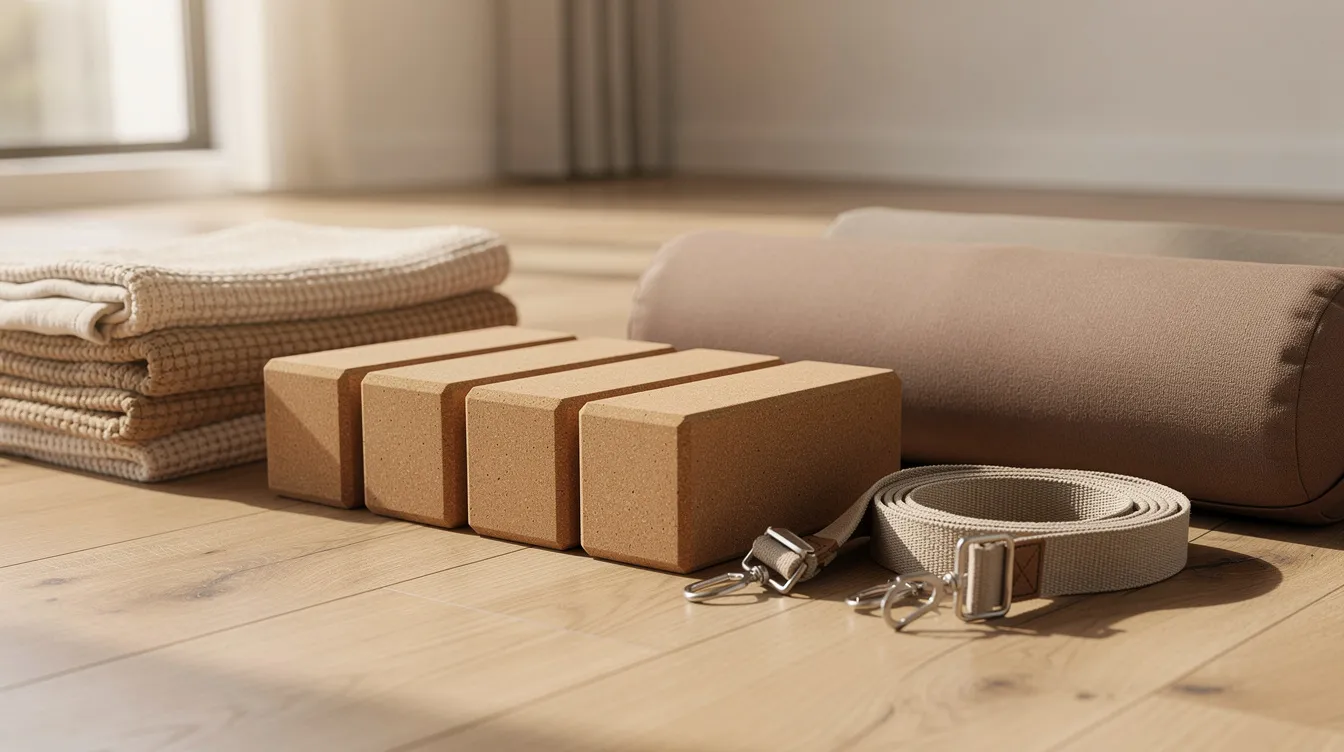
- Options to use blocks, straps, blankets, or bolsters
- Time to rest when needed
- Breath awareness and a calming finish in corpse pose
If you want the simplest way to begin, claim the 30-Day Trial of Unlimited Yoga for Beginners in Mobile and use your first month to try several beginner-friendly classes at Above & Beyond Yoga.
Is Yoga Right for You? (Safety and Expectations for New Students)
Yoga is for many kinds of people. You do not need to be young, flexible, athletic, or experienced to practice yoga. You do need to respect your body, move gradually, and choose classes that match your current fitness level.
Beginners in Mobile often worry about:
- “I am not flexible enough.”
- “I am out of shape.”
- “I am recovering from an injury.”
- “I have balance concerns.”
- “I am nervous about joining a group class.”
- “I will not know what to do in my first class.”
Those concerns are normal. Yoga studios often provide welcoming spaces and clear foundational instruction for beginners, especially when the class description uses words like Gentle Yoga, Slow Flow, Hatha, Restorative, or Basics. These terms are recommended for beginner classes because they usually signal a more supportive pace.
Above & Beyond Yoga specializes in accessible, beginner-friendly instruction. Good beginner instructors will offer verbal modifications, demonstrate prop use, and check for injuries before class. Clear beginner designations in the yoga class schedule, small class sizes, and certified instructors are important for yoga environments because beginners need room to ask questions and learn safely.
A supportive, unhurried environment that focuses on foundational alignment is critical for beginner yoga classes. The goal is not to force your body into a shape. The goal is to learn how to move, breathe, focus, and build confidence over time.
Here is the difference between good intensity and bad pain:
- Good intensity may feel like warmth, gentle stretching, mild effort, or steady muscle work.
- Bad pain may feel sharp, pinching, electrical, or painful inside a joint.
- If you feel pain, especially in the knees, wrists, shoulders, lower back, or neck, stop and modify.
- Rest is always allowed. You can sit, lie down, or return to child’s pose at any moment.
If you have recent surgery, high blood pressure, pregnancy, heart disease, chronic pain, or another medical condition, talk with your healthcare provider before practicing yoga, since some specific poses may need modification or may be better avoided until a professional gives guidance. Also tell your yoga teachers before class so they can suggest modifications.
You do not need to be flexible to start yoga. Flexibility, strength, balance, and body awareness improve because you practice.
Best Beginner-Friendly Class Types at Above & Beyond Yoga
This is the heart of the article: a practical guide to the best yoga classes for beginners at Above & Beyond Yoga in Mobile.
Class schedules can change, so always check the current Above & Beyond Yoga schedule before booking. In general, first-timers should look for beginner-friendly names such as Foundations / Beginner Yoga, Gentle Yoga, Yin Yoga, Restorative Yoga, Slow Flow, Chair Yoga, Yoga Therapy, and hatha yoga options. Above & Beyond Yoga also offers more active classes, but beginners should avoid classes labeled as Power, Vinyasa Flow, or Ashtanga until familiarity with basic yoga is established. Once you know which classes interest you, you can review yoga pricing and membership options to decide how you want to continue.
Non-heated classes are advisable for beginners to prevent overstretching before mastering proper form. A heated hatha yoga class may be appropriate later for some students, but your first few classes should usually help you understand alignment before adding heat.
Here are the best class types to consider.
- Foundations / Beginner Yoga
- Best for absolute beginners who want the basics explained clearly.
- Expect mountain pose, child’s pose, downward facing dog pose, chair pose, tree pose, and corpse pose.
- Ideal for anyone booking a first class through the 30-day trial.
- Gentle Yoga
- Best for people who feel stiff, anxious, or out of shape.
- Expect slow stretching, seated postures, simple breath work, and plenty of rest.
- A good non-heated starting point if you want a calm first experience.
- Yin Yoga
- Best for beginners who want slower, low-to-the-floor stretching.
- Expect longer holds, props, and deep breaths rather than fast movement.
- Helpful for stress relief, tight hips, and learning to stay present.
- Restorative Yoga
- Best for deep relaxation, nervous system support, and stress recovery.
- Expect bolsters, blankets, supported shapes, and a long final corpse pose.
- One of the easiest starting places if you are very stiff or nervous.
- Chair Yoga
- Best for people with limited mobility, balance concerns, or joint issues.
- Expect seated and supported versions of standing postures.
- Useful for older adults or anyone returning after long periods of sitting.
- Slow Flow / Beginner Flow
- Best for beginners who are already walking, jogging, lifting weights, or doing other exercise.
- Expect simple transitions, light strengthening, and careful instruction.
- A good next step after learning the basics.
All beginner yoga classes at Above & Beyond Yoga include time at the end for corpse pose, also called Savasana. This final rest helps your body absorb the practice and gives your nervous system time to settle, and the studio’s yoga for beginners classes in Mobile are specifically structured to make that closing relaxation feel accessible.
Foundations / Beginner Yoga Class
Foundations / Beginner Yoga is the ideal first class for most new students who want a clear, structured introduction to practicing yoga.
In this class, the teacher breaks down fundamental asanas such as Mountain Pose, also called Tadasana; Child’s Pose, also called Balasana; Downward Facing Dog Pose, also called Adho Mukha Svanasana; Chair Pose, also called Utkatasana; and Tree Pose, also called Vrksasana.
The pace is slow and deliberate. You will have time to understand where your feet go, how to use your breath, and how to move safely in and out of one pose before going to the next. This helps you build confidence instead of feeling rushed.
A Foundations class may cover:
- How to stand with big toes grounded and shoulders relaxed
- How to press firmly through your hands and feet
- How to use blocks when your hands do not reach the floor
- How to keep knees comfortable in standing and kneeling poses
- How to use the breath to stay steady
- How to rest without feeling like you are doing something wrong
For example, in mountain pose, you may stand with your feet hip-width apart, weight balanced, head stacked over hips, and gaze forward. The teacher may ask you to notice whether your left foot and right foot feel even on the mat.
In tree pose, you may place the sole of your right foot near your left ankle, calf, or inner thigh, while avoiding pressure on the knee and keeping the right knee tracking comfortably to the side rather than forcing it forward. Then you can try the other side. If balance is difficult, you can practice near a wall.
This class helps students safely learn movement, props, and breath. It is the best starting point if you are still unsure which class to book during the 30-day trial.
Gentle & Restorative Yoga for Stiff or Stressed Beginners
Gentle Yoga and Restorative Yoga at Above & Beyond Yoga are designed for people who want a softer, slower introduction with less time on wrists and knees.
These classes are especially helpful if your body feels tense, tired, or guarded. Instead of moving quickly through postures, you will spend more time settling into each shape and breathing deeply.
A typical Gentle or Restorative class may include:
- Simple seated stretches
- Supine twists while lying on your back
- Supported forward folds
- Gentle hip openers
- Bolsters and blankets for comfort
- Breathwork or guided relaxation
- A long final corpse pose
Foundational poses often appear in simple forms. You may practice child’s pose with a bolster under your chest, a mild alternative to downward facing dog, or a supported twist where your knees turn to the left side and then the other side.
These classes are perfect for beginners with chronic tension, stress, or those easing back into movement after inactivity or mild injury, as long as they have medical clearance when needed.
If you are nervous about group classes, choose Gentle Yoga or Restorative Yoga for your first visit during the 30-day trial. These are calming, low-to-the-floor options that make it easier to feel comfortable.
Chair Yoga and Accessible Classes
Chair Yoga is a great option for beginners with limited mobility, balance concerns, or joint issues. If Chair Yoga appears on the current Above & Beyond Yoga schedule, it can be one of the most accessible ways to begin.
In Chair Yoga, the chair becomes a support tool. You can sit for parts of class, hold the chair for balance, or use it to reduce pressure on knees and wrists.
You may practice:
- Mountain Pose while standing behind the chair
- Seated Forward Fold
- Gentle seated twists
- Modified Tree Pose
- Simple shoulder and side body stretches
- Breath awareness with both feet grounded
For example, a teacher may ask you to sit tall, place your left hand on the chair, lengthen through the crown of the head, and take several deep breaths. In a supported balance pose, you may keep left toes on the floor while the left leg turns out gently from the left hip.
Chair Yoga can still improve circulation, joint mobility, posture, and confidence. It is especially helpful for older adults in Mobile or anyone returning to movement after long periods of sitting or inactivity, and some students choose to pair these gentle classes with salt therapy pricing packages when they are interested in combining movement and halotherapy.
Over time, students can progress from Chair Yoga into other beginner yoga classes if they choose. There is no rush.
Slow Flow / Beginner Flow
Slow Flow or Beginner Flow at Above & Beyond Yoga is the next step for new students who want gentle strengthening and a light cardio effect.
This style still focuses on beginner yoga, but it adds simple flowing sequences. Instead of holding every shape for a long time, you link movement with breath.
You may move through:
- Mountain Pose
- Chair Pose
- Warrior variations
- Downward facing dog
- Gentle lunges
- Seated stretches
- Corpse Pose
A teacher may cue you to step your right foot forward, keep your front leg steady, and in some side-angle variations turn to face the long edge of the mat. You may then bring an arm overhead and reach through the side body, and in some variations the right leg may straighten while the rest of the posture stays stable. You may hear alignment cues such as keeping the front knee over the right ankle, softening the shoulder blades, and keeping a straight line from the crown of the head through the spine.
Teachers cue modifications to keep the class accessible. For example:
- Knees can come down in plank.
- Blocks can support the hands in forward folds.
- Downward facing dog can be practiced with bent knees.
- Arms straight does not mean elbows locked.
- You can skip a transition and rest whenever needed.
Slow Flow is ideal for beginners who already walk, jog, go to the gym, or want yoga to support another routine. Try at least one Slow Flow class during the 30-day trial to experience a more energized side of practicing yoga.
Key Beginner Poses You’ll Practice in Our Classes
Knowing a few pose names can make your first class feel less intimidating. You do not need to memorize them. Teachers at Above & Beyond Yoga offer step-by-step guidance for each pose.
The best yoga poses for beginners include Mountain Pose, Cat/Cow, Downward Facing Dog, Child’s Pose, and Warrior I, which help teach alignment and breath awareness. Beginners should start with foundational poses that do not require advanced strength or flexibility to avoid frustration or injury.
Here are the core poses you are likely to meet.
- Mountain Pose
- This is a standing posture that teaches grounding, balance, and awareness.
- You stand tall with feet rooted, legs active, shoulders relaxed, and gaze forward.
- It looks simple, but it teaches the basics of posture.
- Child’s Pose
- This is a resting pose you can take any time.
- Your knees bend, hips move back, and your body folds toward the mat.
- Practicing poses like Child’s Pose and Downward-Facing Dog can help beginners develop strength and flexibility gradually.
- Cat/Cow
- This gentle movement warms the spine.
- You move between rounding the back and lifting the heart forward.
- It is often used early in class to connect movement and breath.
- Downward Facing Dog / Downward Facing Dog Pose
- This pose builds strength in the shoulders, core, and legs.
- Your hands and feet press into the mat while hips lift back.
- Bending the knees is perfectly fine, and heels do not need to touch the floor.
- Chair Pose
- Chair pose builds strength in the legs and core.
- You bend your knees as if sitting back into a chair.
- It often appears in beginner flow classes.
- Tree Pose
- Tree pose is a simple balancing posture.
- You may place the right foot against the left ankle, calf, or inner thigh, then switch sides.
- Practicing near a wall helps you build stability.
- Warrior I
- Warrior I teaches balance, leg strength, and direction.
- The front leg bends while the back foot roots down through the outer edge.
- You may reach one arm overhead or both arms up depending on comfort.
- Corpse Pose
- Corpse pose is the final relaxation.
- You lie down, release effort, and allow the body to rest.
- This pose helps calm the nervous system and integrate the benefits of class.
Yoga is not only physical. Practicing yoga helps build healthy virtues and good values, such as discipline, honesty, devotion, self-inquiry, mindfulness, and non-attachment. These qualities develop slowly through repeated practice, not perfection.
How to Choose the Right Class for Your First Visit
If you are comparing multiple options on the Above & Beyond Yoga schedule, choose based on how your body feels now, not where you think you “should” be.
Here are a few common beginner profiles.
- “I’m very stiff and haven’t exercised in years.”
- Start with Gentle Yoga or Restorative Yoga.
- These classes are slower, softer, and less likely to feel overwhelming.
- You can also try Foundations / Beginner Yoga if you want more instruction.
- “I walk or work out, but I’m new to yoga.”
- Start with Foundations / Beginner Yoga or Slow Flow.
- These classes help you learn proper form while still building strength and stamina.
- Slow Flow is a good choice if you want movement but still need explanation.
- “I have joint issues or balance concerns.”
- Start with Chair Yoga, Gentle Yoga, or Yoga Therapy if available.
- These classes make it easier to use support, reduce pressure, and move carefully.
- Tell the teacher before class about knees, hips, wrists, shoulders, or balance concerns.
- “I’m stressed and mainly want relaxation.”
- Start with Restorative Yoga, Yin Yoga, or Gentle Yoga.
- These classes emphasize breath, stillness, supported poses, and nervous system recovery.
- They are excellent first choices if your main goal is stress relief.
- “I want to lose weight or support my health.”
- Start with Foundations, Gentle Yoga, and Slow Flow.
- Yoga supports weight management by positively affecting stress hormones, sleep quality, and eating habits.
- A regular yoga practice can complement walking, strength training, and nutrition habits.
While Kindred Yoga is located in Midtown and is known for its unheated environment and focus on foundational alignment, this guide focuses on helping you find yoga at Above & Beyond Yoga in West Mobile. Above & Beyond is especially convenient if you live or work near Hillcrest Road, Airport Boulevard, or the surrounding West Mobile neighborhoods.
During the 30-day trial, aim for 2–3 beginner yoga classes per week. That gives your body enough repetition to learn without overdoing it.
For your first visit:
- Arrive 10–15 minutes early.
- Expect to complete a waiver or basic intake form.
- Tell the front desk and teacher that it is your first class.
- Mention injuries, pregnancy, recent surgery, high blood pressure, or other concerns.
- Choose a spot where you can see and hear the teacher clearly.
- Give yourself permission to try a few classes before choosing a favorite.
It is normal to need more than one class to find the teacher, style, and pace that feel best.
What to Expect in Your First Class at Above & Beyond Yoga
Walking into Above & Beyond Yoga for the first time should feel calm, welcoming, and simple. You do not need special knowledge, expensive gear, or prior experience.
A typical first visit looks like this:
- Enter the studio and check in at the front desk.
- Remove your shoes before entering the practice space.
- Ask where to place your mat.
- Gather props such as blocks, blankets, straps, or bolsters.
- Let the teacher know you are new.
- Settle onto your mat and begin with breath.
Bare feet are standard in yoga, and most studios require you to remove your shoes before stepping into the studio. If you do not own a mat yet, ask whether mats and props are available to borrow for beginners.
A beginner class usually follows this flow:
- Centering and breath at the beginning
- Gentle warm-up movements
- Standing postures like Mountain Pose, Tree Pose, or Chair Pose
- Floor work and stretching
- Closing relaxation in Corpse Pose
Teachers frequently remind students to listen to their bodies, rest in Child’s Pose when needed, and skip poses that do not feel appropriate. If you are unsure what to do, pause and breathe. A good teacher will help you rejoin the class.
What to wear:
- Wear comfortable clothes that stretch and move with your body for yoga practice.
- Spandex or polyester blends in activewear clothing keep you dry and allow for a full range of motion during yoga.
- You do not need a matching yoga outfit.
- Choose clothing that lets you bend, sit, stand, and breathe comfortably.
What to bring:
- Water
- A small towel
- Optional personal mat
- Any medical notes or restrictions you want to mention
- An open mind
Basic studio etiquette:
- Silence your phone.
- Respect other students’ space.
- Avoid strong perfumes.
- Ask questions before or after class.
- Clean borrowed props if requested.
- Let yourself be a beginner.
Home practice works well for building familiarity with basic poses before joining a class, but it is important to pair it with occasional in-person classes for alignment correction. You can use youtube videos or short online videos to learn names and shapes, but a teacher can see your body in real time and help you practice safely.
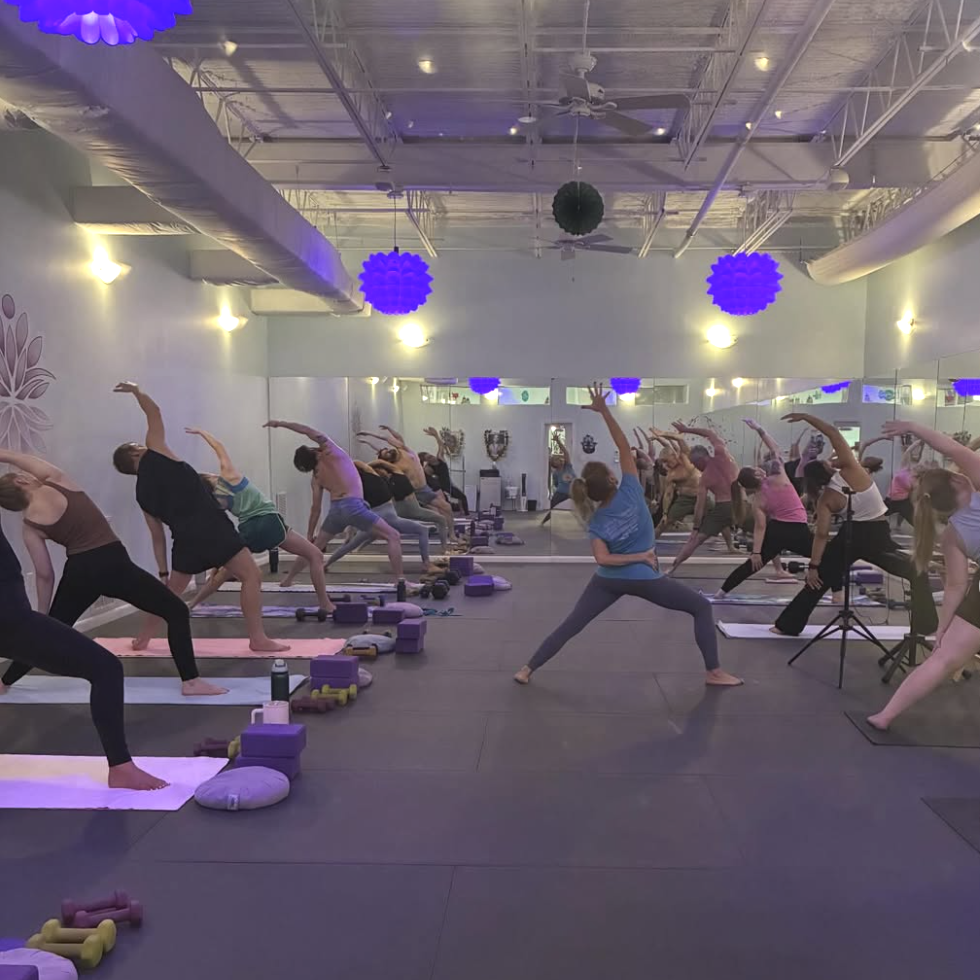
How Often Should Beginners Practice Yoga?
How often you practice affects how quickly you notice benefits. Flexibility, sleep, stress levels, balance, and strength tend to improve faster when your practice is consistent.
For beginners in Mobile, a realistic schedule is:
- 1 class per week if you are very busy or nervous
- 2 classes per week for a steady start
- 3 classes per week for faster progress during the first month
Practicing yoga 3 or more times per week can lead to significant improvements in flexibility, strength, and overall well-being, with shorter sessions of 20-45 minutes being ideal. Shorter, more frequent sessions often work better than rare, very long classes.
For beginners, it is recommended to start with a short and straightforward yoga session and gradually build up to more challenging poses as comfort increases. You might begin with Gentle Yoga, then add Foundations, then try Slow Flow once your body understands the basics.
A simple first-month plan could look like this:
- Monday: Foundations / Beginner Yoga
- Wednesday: Gentle or Restorative Yoga
- Saturday: Slow Flow or Yin Yoga
Many beginners start seeing noticeable results in 2–4 weeks of consistent practice yoga, with deeper strength and flexibility changes in 2–3 months. Harvard Health has also reported improvements in sleep among people who practice consistently over several weeks.
You can also build a small home practice between classes. Try 10–20 minutes with mountain pose, Cat/Cow, child’s pose, downward facing dog, and corpse pose. Keep it simple. Your home practice should support your studio classes, not replace instruction entirely.
Missing a class does not mean you failed. The key is coming back to the mat.
Ready to Start Yoga? Claim Your 30-Day Beginner Trial
Above & Beyond Yoga offers what beginners in Mobile need most: supportive yoga teachers, beginner yoga classes at different levels, a welcoming yoga studio, and a community where you can learn at your own pace.
The 30-Day Trial of Unlimited Yoga lets you sample multiple classes, including Foundations, Gentle, Restorative, Chair, Yin, and Slow Flow options when they appear on the schedule. That makes it easier to discover what your body responds to without making a large commitment upfront.
If you are still unsure, pick Foundations / Beginner Yoga as your first class. If you feel very stiff, anxious, or tired, choose Gentle Yoga or Restorative Yoga instead.
Click here to sign up now: 30-Day Trial of Unlimited Yoga for Beginners in Mobile.
Choose your first class today, add it to your calendar, and take the first step. Your first moment on the mat at Above & Beyond Yoga could become the beginning of a steady, uplifting yoga journey.